Home » Rural Church Sunday
Rural Church Sunday
Series compiled by Kelli Reep
On Sunday, March 8, the Arkansas Conference of the United Methodist Church will celebrate its first-ever Rural Church Sunday, recognizing the congregations that serve outside urban centers and form the backbone of United Methodism across the state.
The celebration was inspired by Bishop Laura Merrill, who also serves the Oklahoma Conference, where a similar observance already exists. In Arkansas, the day will focus on recognition rather than a special offering, highlighting the fact that most United Methodist churches in the state are rural congregations.
From crossroads communities to county-seat towns, pastors across Arkansas say rural churches remain places where faith is deeply personal, ministry is hands-on and relationships matter.
Jump to:
Centerville UMC
Rev. Lana Gartner
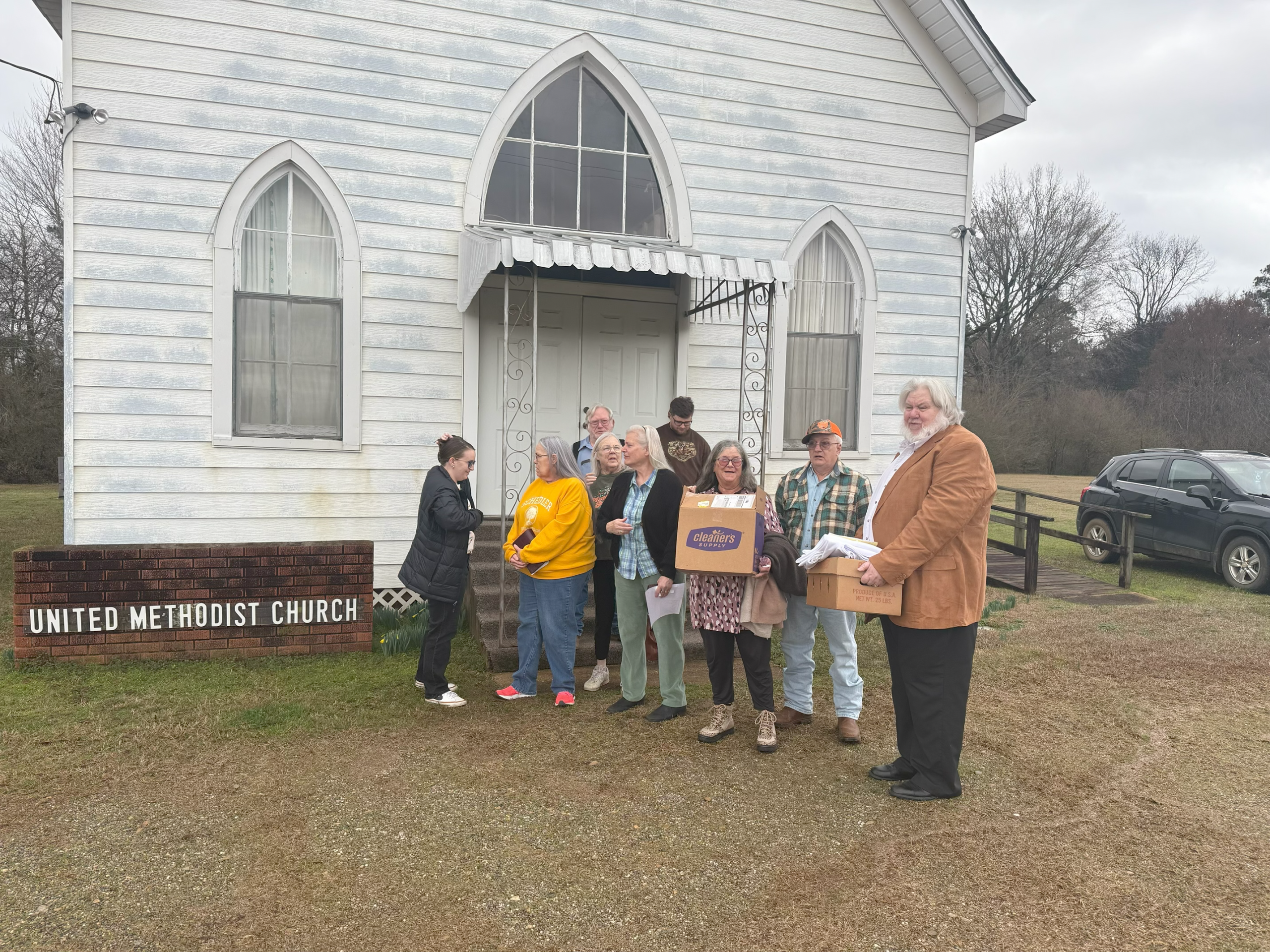
When Rev. Lana Gartner first received the call to serve Centerville United Methodist Church, she didn’t even know exactly where it was.
Her district superintendent asked her to go as a lay pastor, but when she asked for directions, he couldn’t pinpoint the church’s location. Instead, he gave her the number of a longtime member, Ben McNew, a man now in his mid-90s who still drives from Conway to Centerville every Sunday.
That phone call became a turning point.
At the time, Rev. Gartner’s home church in Conway was dealing with its building’s security issues and began keeping its doors locked during the week. But McNew’s response was different. When Rev. Gartner asked about getting a key so she and her husband could pray at the altar before saying yes, he told her simply, “The doors are never locked.”
In that moment, Rev. Gartner knew. “That told me that’s where we’re supposed to be,” she said.
That was in 2008, and she has now served Centerville for 18 years.
The church sits in a rural crossroads, “in the Y of a road in the middle of nowhere,” Rev. Gartner said. Yet she immediately saw its sacred purpose. She imagined people in distress finding their way to that quiet place, pulling into the parking lot, discovering the doors open and encountering God in the stillness.
When she and her husband first attended worship before her appointment officially began, they slipped into the back pew. Congregants greeted them warmly, assuming they were visitors even though Rev. Gartner’s photo was already pinned to the bulletin board at the entrance.
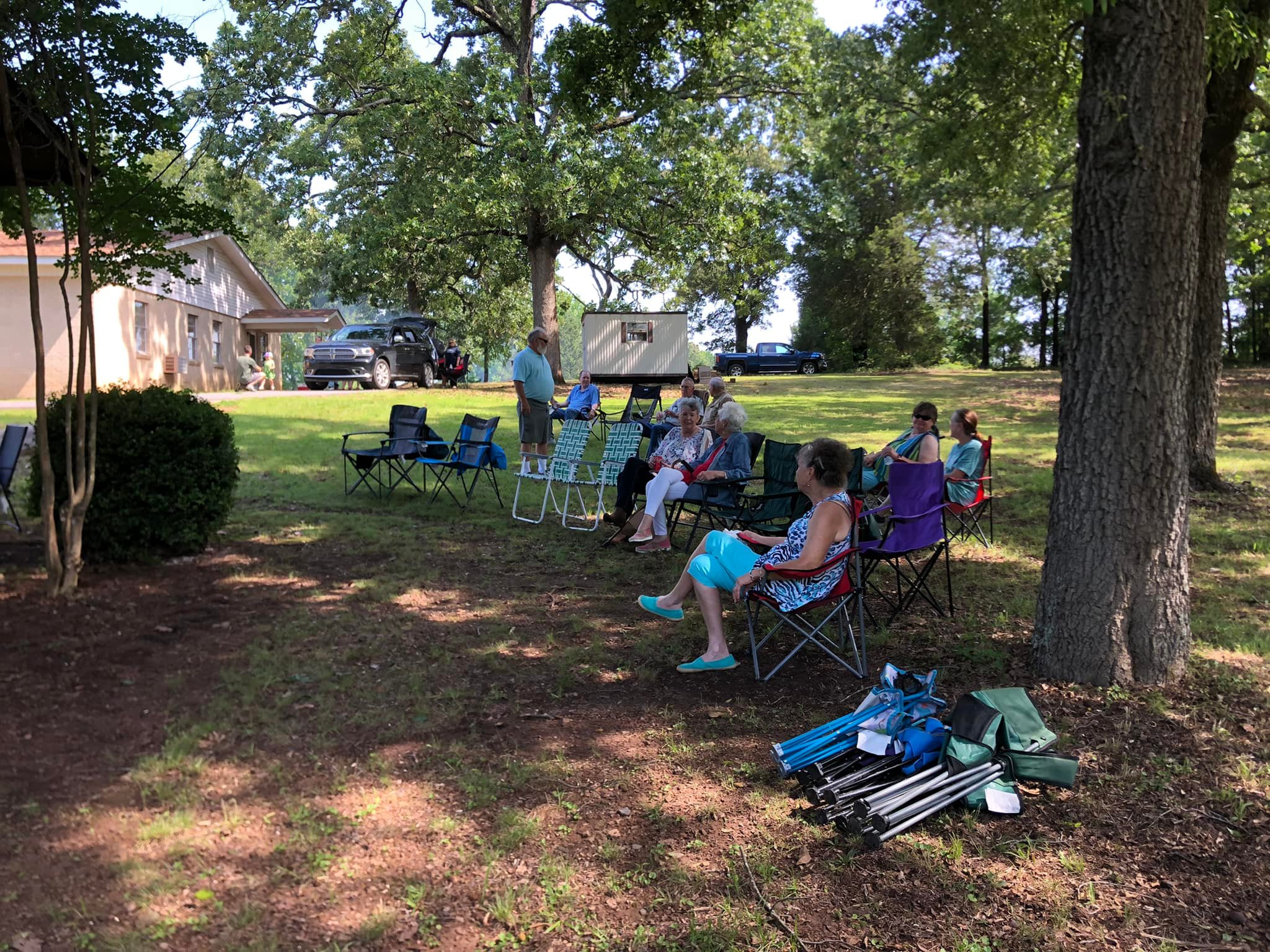
That welcoming spirit has been at the heart of Centerville’s growth. When Rev. Gartner arrived, the church had fewer than 20 people on the roster and often only seven to ten attending. At times, worship was held outside on lawn chairs. Over time, however, the church grew to a membership high of 84.
They began building community through simple practices, like a fellowship brunch on the first Sunday of every month, a tradition that continues today. The congregation also began reaching outward, including creating a thriving food pantry ministry for families in need.
Located near the Faulkner County and Van Buren County line, the church serves an area impacted by poverty and food insecurity. “We provide meals for citizens at Thanksgiving and Christmas,” Rev. Gartner said. They connect with families through relationships with the volunteer fire department, helping identify those who need support.
Centerville’s rural location also allows the congregation to worship beyond the walls of the church. Each fall, they gather at nearby Woolly Hollow State Park for “Communion by the Lake,” celebrating World Communion Sunday outdoors. Often, baptisms take place in the lake, a vivid reminder of God’s presence in creation.
In 2026, Rev. Gartner hopes to celebrate Rural Church Sunday with a special vineyard worship service. A congregant who owns a vineyard will teach about pruning grapevines, and Rev. Gartner plans to preach on the spiritual meaning behind it.
For Rev. Gartner, rural churches offer a blessing, which large churches often cannot: personal connection.
“Everybody knows each other,” she said. “In a big church, your pastor may never know you by name.”
At Centerville, the faith is small-town simple and profoundly powerful.

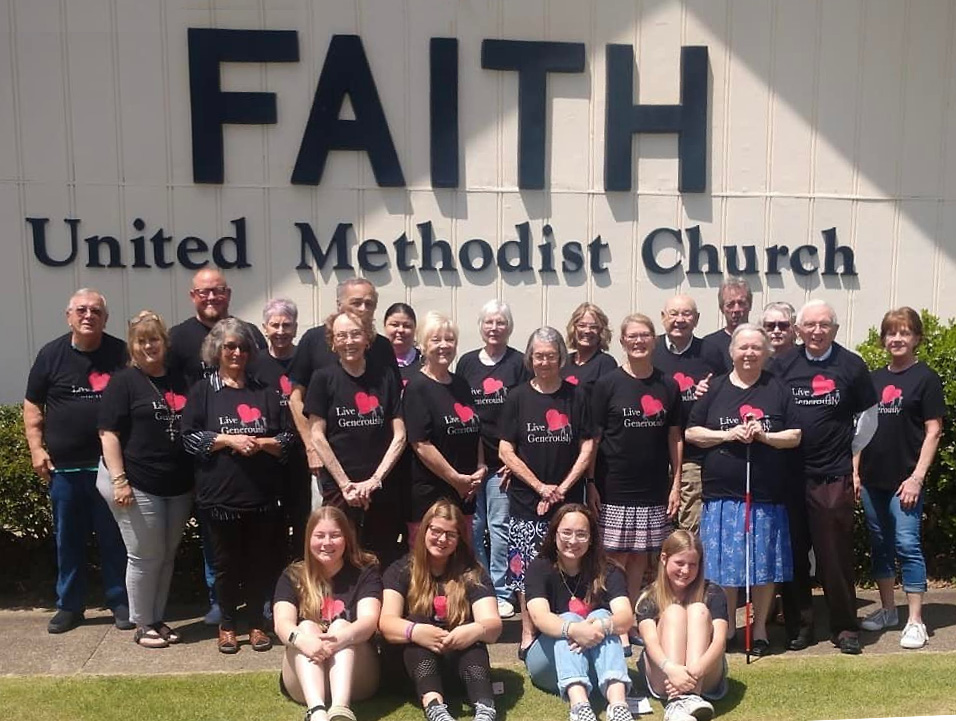
Haven UMC and Faith UMC
Rev. Melvin Moss
Rev. Melvin Moss has spent decades serving rural communities across Arkansas, and he believes one of the greatest blessings of rural church life is something you can’t manufacture: authenticity.
Serving Haven United Methodist Church and Faith United Methodist Church in Hot Springs, Rev. Moss describes rural communities as places where people are genuine and consistent. “There’s the genuine authenticity of the communities,” he said. “Not to say that they don’t disagree, but our congregations are authentic in how we present it.”
That authenticity, he believes, creates a foundation for real ministry, especially in a time when society is often polarized. Rev. Moss has served in diverse settings across Arkansas and says rural congregations often demonstrate the ability to “agree and disagree” while still loving one another and serving together.
One of the keys, he says, is that rural ministry requires pastors to be authentic, too. In smaller communities, people don’t just see the pastor on Sunday: they see the real person throughout the week. “They recognize you being authentic and genuine,” Rev. Moss explained. And when a pastor shows up with sincerity and compassion, trust grows.
Both Faith and Haven United Methodist Churches are deeply active in outreach. Their ministries include food pantry work, door-to-door community support and delivering food to residents who are homebound. “Haven actually takes food to the folks… unable to get out,” Rev. Moss said. “So they deliver items that are needed.”
Haven also operates a long-standing thrift store, the Haven House, which provides affordable goods to people in need. In addition, the church maintains a community garden, a ministry that meets a pressing local issue.
“We partner with the city of Hot Springs and provide citizens an opportunity for healthy food,” Rev. Moss said. The area is considered a food desert, making access to nutritious food difficult for many families.
Faith, though small, continues to serve with determination. Rev. Moss estimates Faith’s attendance is around 15, with most members over the age of 65. Haven averages closer to 45–51 in attendance and has begun rebuilding its youth programming after the disruptions of COVID.
“We just reinitiated our youth program,” he shared.
For Rev. Moss, the rural church’s strength lies in closeness and shared responsibility. “Rural community are by and large families,” he said. “Cousins, sisters, brothers,” he said. While that dynamic can sometimes be complicated, Rev. Moss sees it as a gift. When the community is united around Christ, “they will all continue even when they may or may not agree.”
In his years of ministry, Rev. Moss has come to believe rural churches remain vital to the health of the whole connection. Once trust is established, he says, rural congregations will work tirelessly to meet needs and expand the Kingdom of God.
“They will work diligently and put all effort forward,” Rev. Moss said. “It makes it less complicated when you know where people stand, and then you have a formula through Christ that allows you to work together.”
As Arkansas celebrates its first Rural Church Sunday, Moss hopes the wider church will see what he has witnessed for years: rural churches are places where grace, service and authentic community thrive.


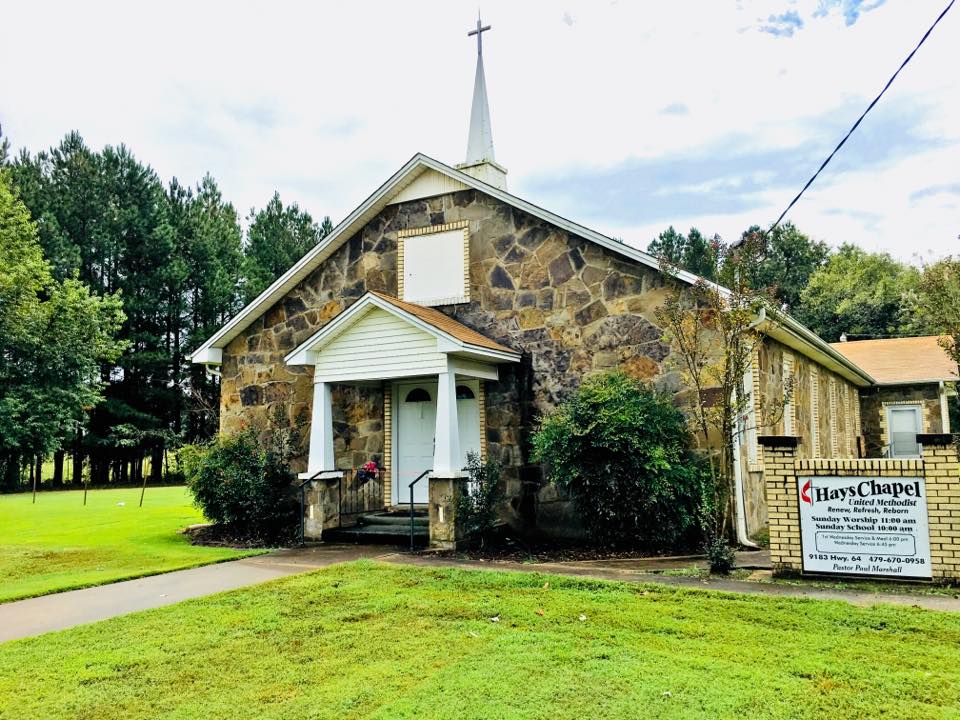
Hays Chapel UMC and Newberry Chapel UM
Rev. Paul Marshall
For Rev. Paul Marshall, rural ministry is about something many people crave but rarely find anymore: being truly known.
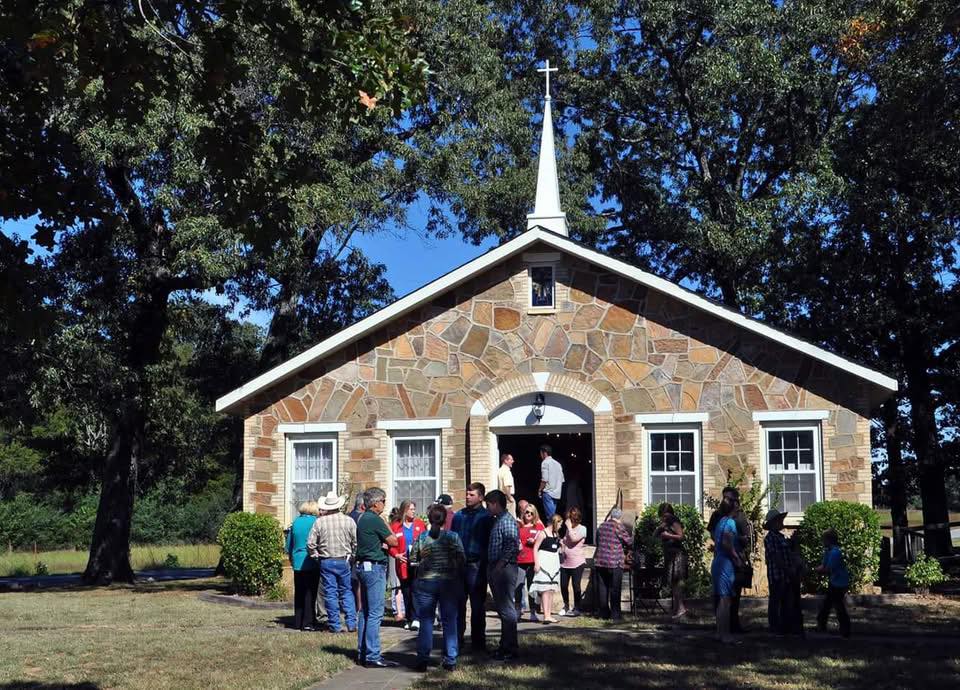
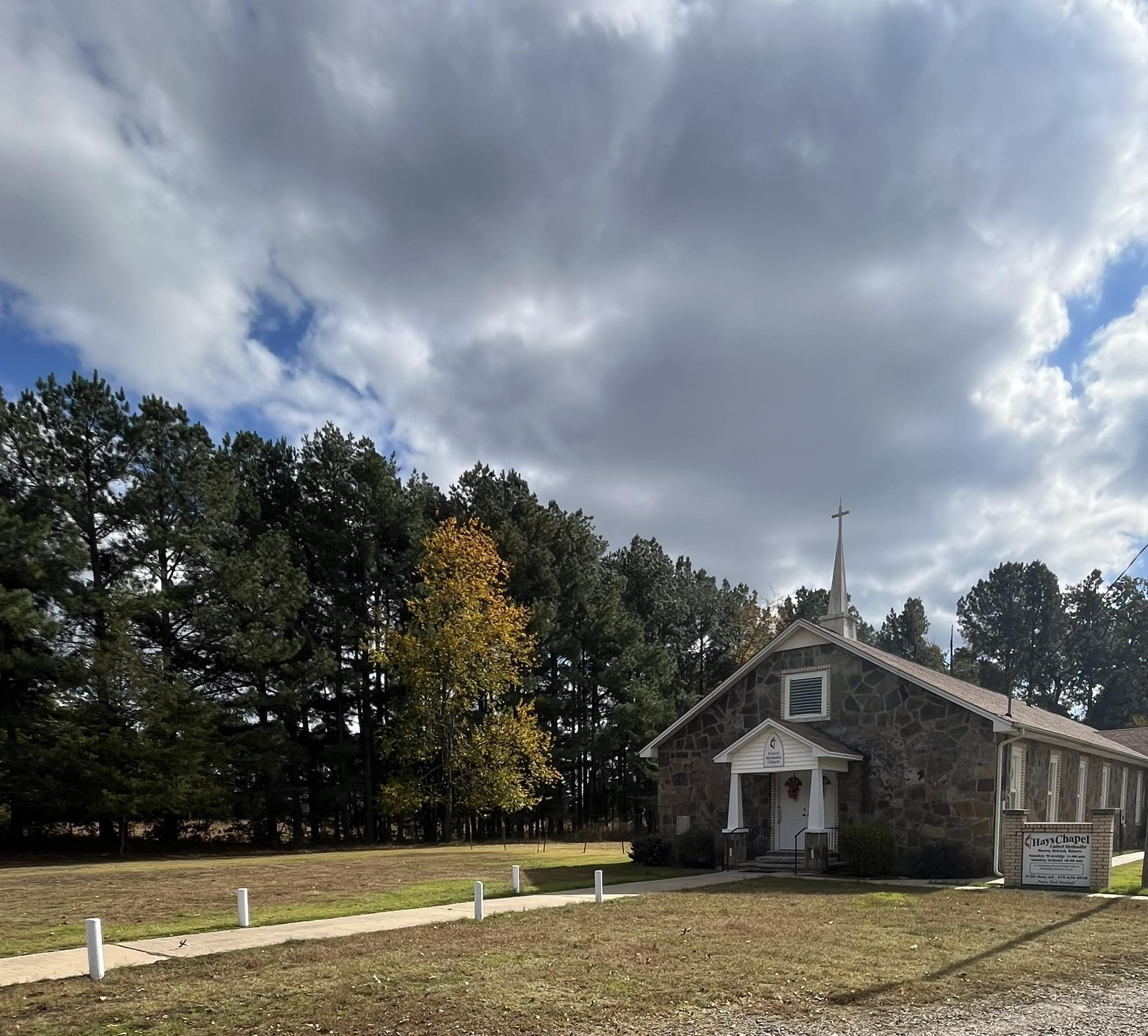
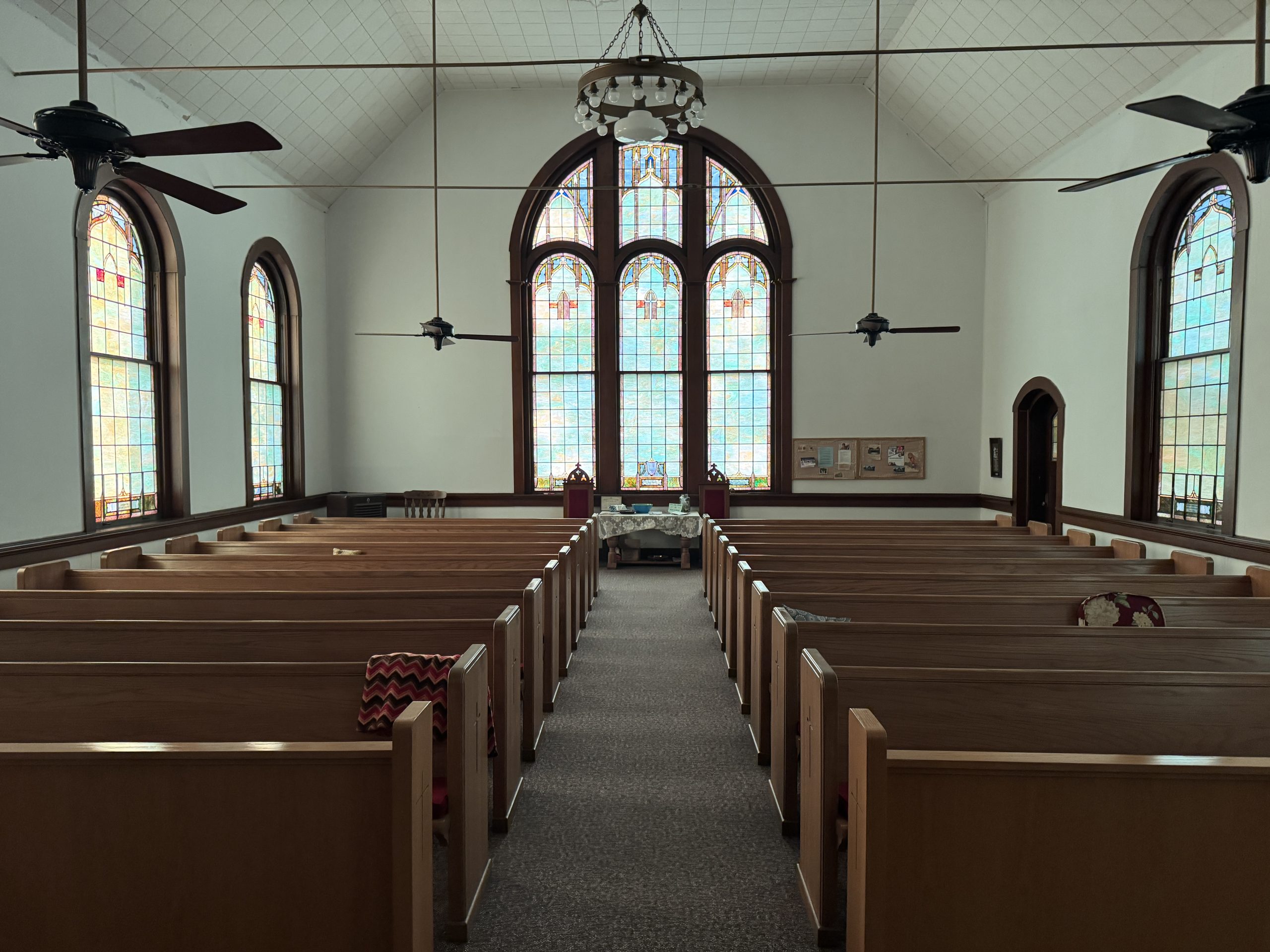
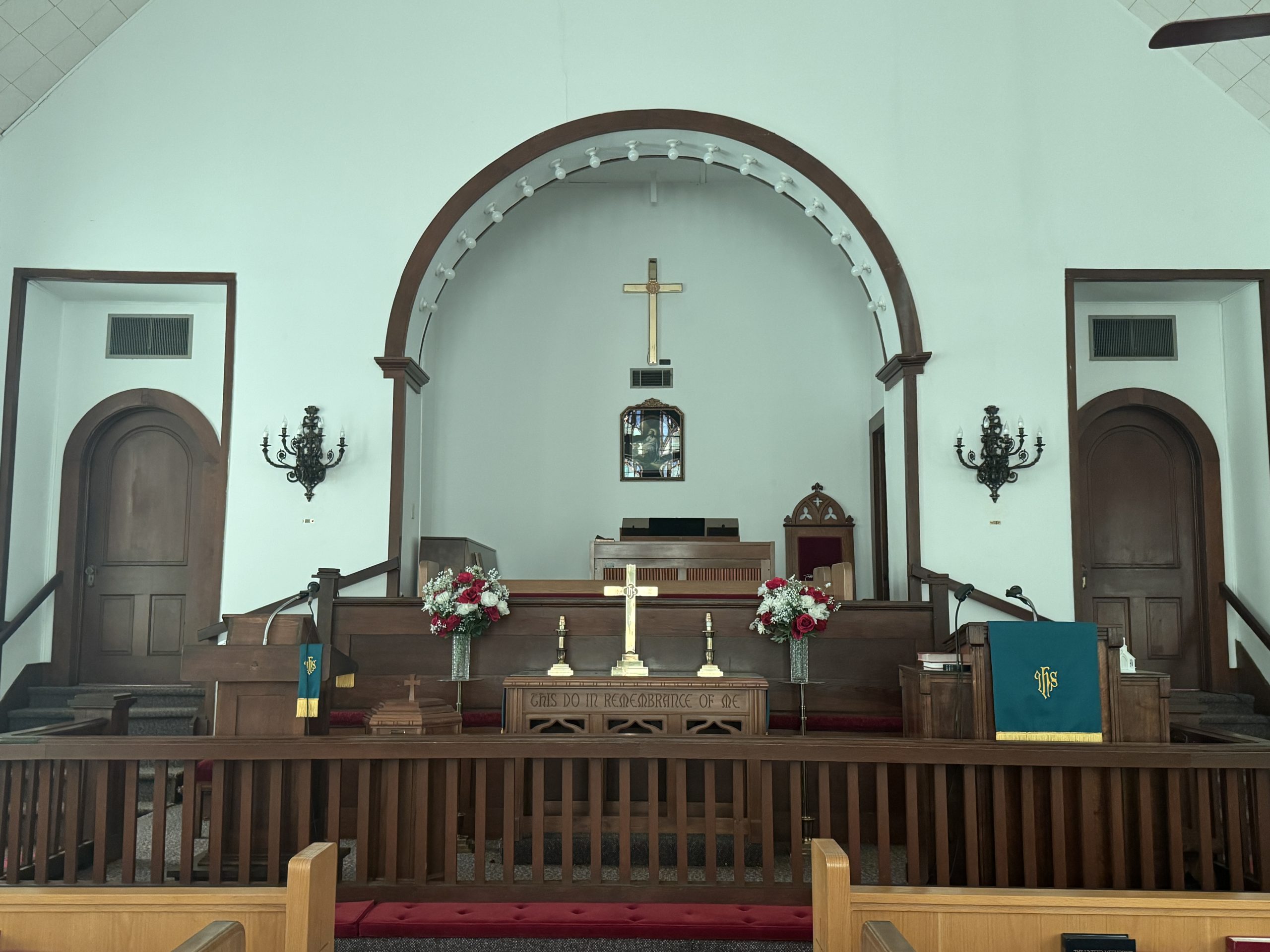
Serving Hays Chapel United Methodist Church in Hartman near Clarksville and Newberry Chapel United Methodist Church in Alma, Rev. Marshall has seen firsthand what makes rural congregations special.
“Rural churches are more intimate,” he said. “Everyone knows everyone.”
And while that closeness can sometimes come with its own challenges, Rev. Marshall believes it is ultimately a gift because it builds community that is deeply personal, supportive and faithful.
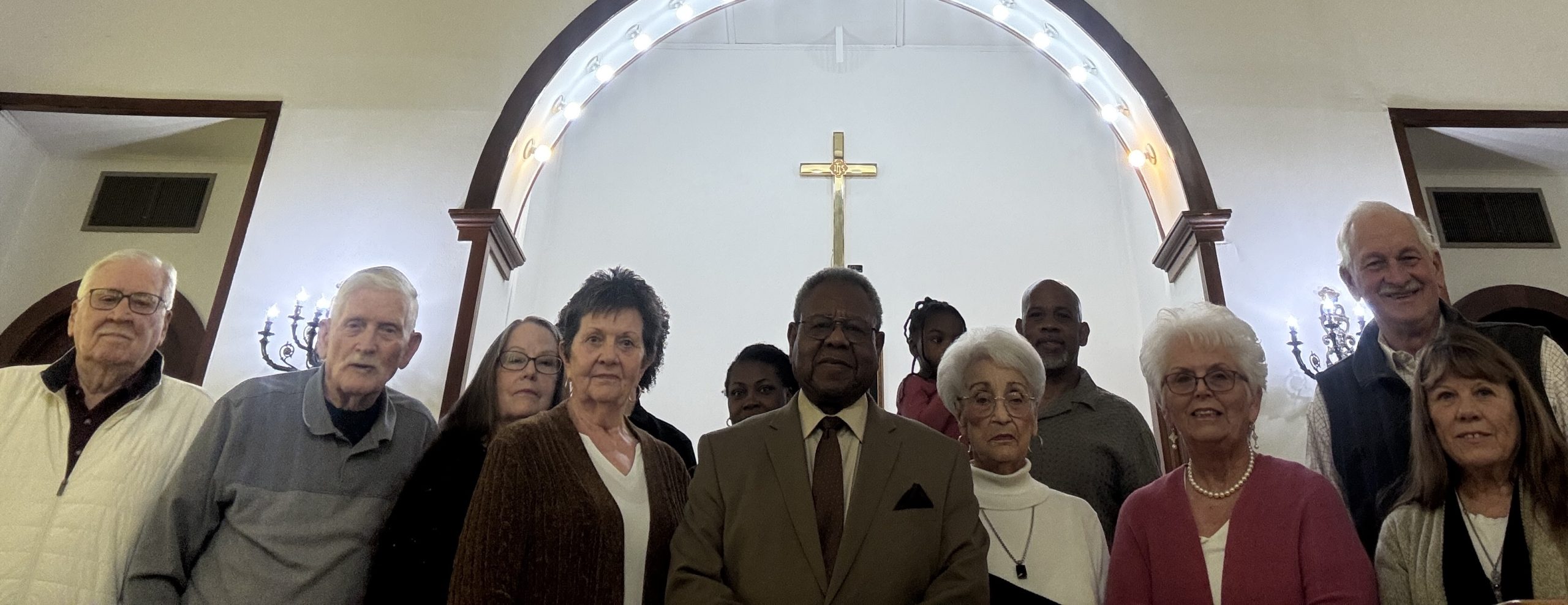
Rev. Marshall has served Hays Chapel for nearly 11 years. When he first arrived, the congregation had concerns shaped by experience. “They were apprehensive because they were never a place where a pastor stayed very long,” he explained. Members worried they would grow attached only to have leadership leave again. Over time, that fear faded as trust grew, and the long-term stability became a source of encouragement.
In August 2025, Rev. Marshall also began serving Newberry Chapel United Methodist Church in Alma, bringing years of experience with him. Having two rural churches, he said, has been an advantage.
“A lot of the things that were going on at Hays Chapel were also happening at Newberry Chapel,” he said. “I was able to take what took 10 years at Hays Chapel to learn and put that at work at Newberry Chapel on a much more accelerated timeline.”
The shared “family spirit” at both places of worship is part of what he loves most. Like many rural congregations, both churches are rooted in generations of history. Rev. Marshall notes that in small communities, you often find “family members of the founding people of that church,” even 150 years later. He also believes one of the greatest strengths of rural churches is that no one is anonymous.
“You can’t come to a rural church and someone does not know you’re there,” he said. In a culture where many feel overlooked, he sees rural congregations offering something deeply countercultural: belonging.
Both Hays Chapel and Newberry Chapel remain outreach-focused, providing classic United Methodist ministry through food pantries, feeding ministries and community events. At Hays Chapel, their free community supper welcomes anyone who walks through the doors.
“We don’t care who you are, what you look like, where you come from,” Rev. Marshall said. “We welcome you in the door, and we serve you just the same.”
Rev. Marshall believes rural churches remain essential anchor institutions in their towns. “You are still something that matters,” he said. “People are going to come to you to look for help and to look for fellowship and to look for answers.”
As ARUMC celebrates its inaugural Rural Church Sunday, Marshall hopes Arkansas United Methodists will recognize the often-underappreciated impact of small congregations. “There are a lot of people that need us in small towns,” he said.


Lockesburg FUMC and Mount Carmel UMC
Rev. Tommy Halsell
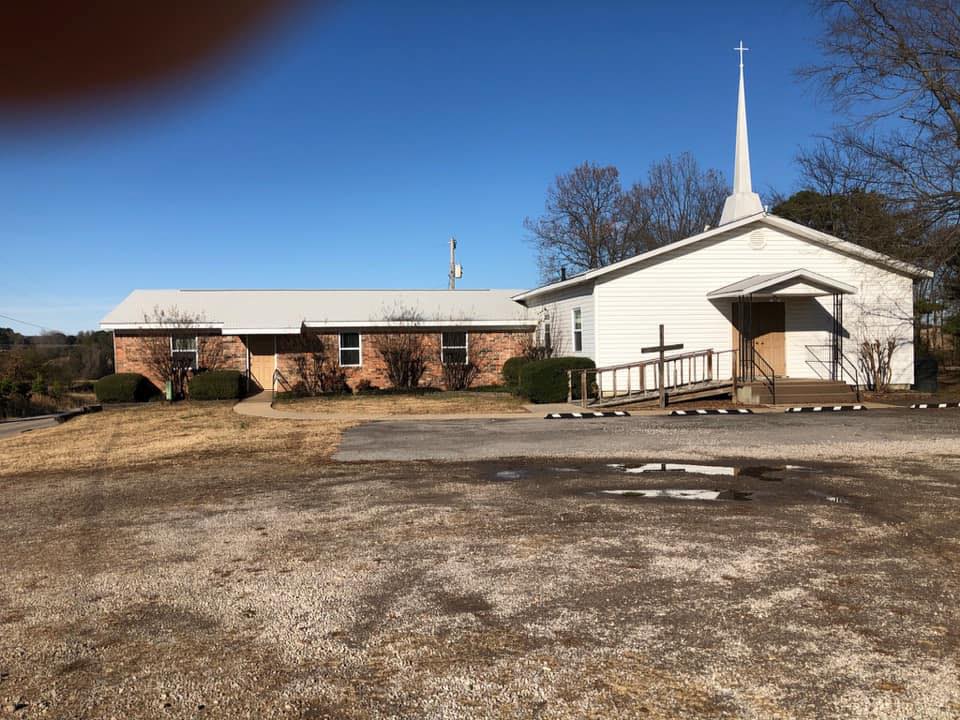
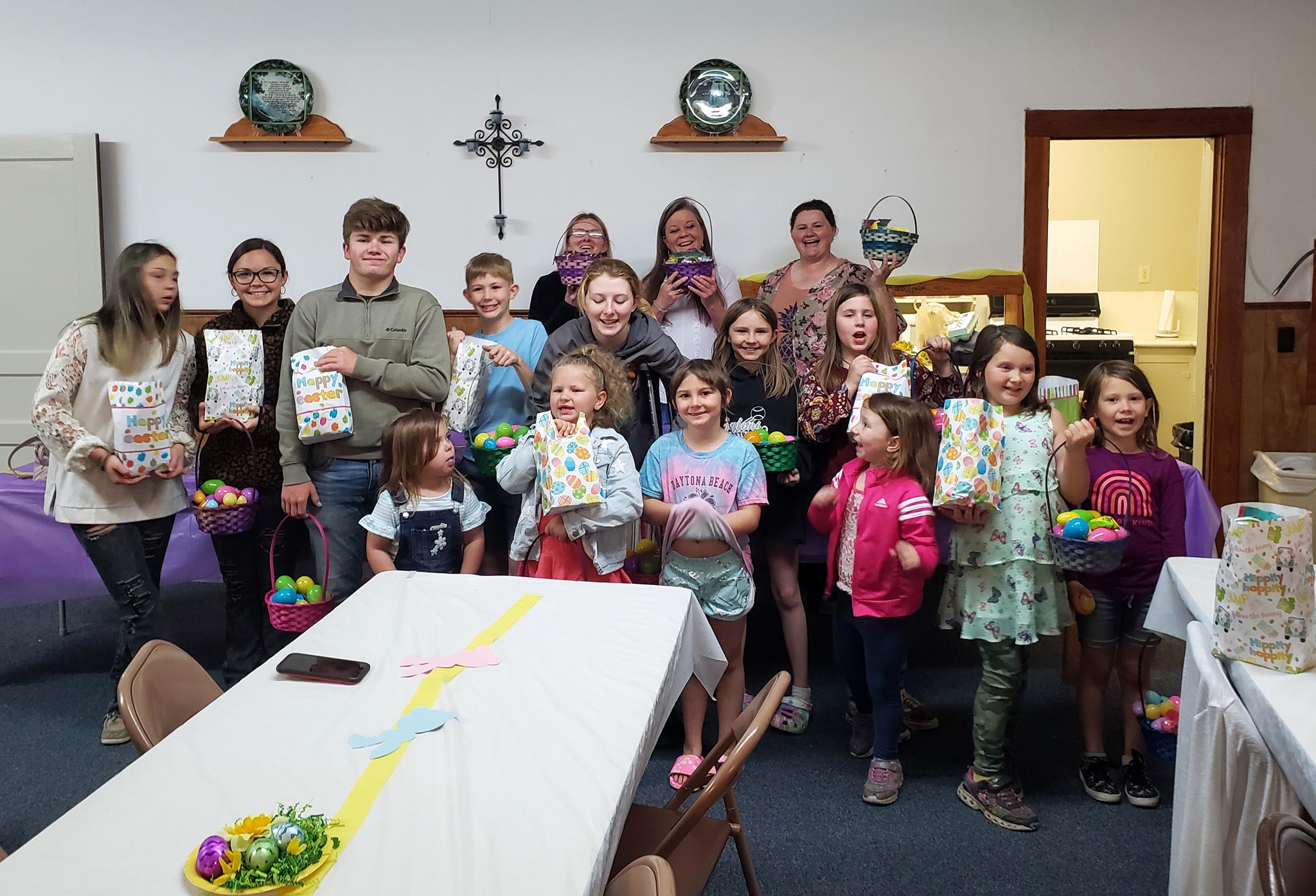
Rev. Tommy Halsell serves two rural churches in Lockesburg: Lockesburg First United Methodist Church and Mount Carmel United Methodist Church, and he describes the rural church experience with one word: family.
“It operates like family,” Rev. Halsell said. “Overseeing, watching out for one another, sharing with one another and you’re not a stranger.”
Since arriving in 2021, Rev. Halsell has led both congregations with a steady commitment to outreach. Though each church has a small weekly attendance, around 12 to 13 in one congregation and 20 to 21 in the other, the impact they make extends far beyond their size.
Together, the churches participate in a mission that feeds people at a homeless shelter in Texarkana.
“They prepare food here and transport it 40 miles away,” Rev. Halsell said. “And feed the people at the homeless shelter.” The congregations also sing, pray and encourage residents at a nursing home each month, offering a ministry of presence that rural communities often provide so well.
Rev. Halsell also spends time sharing the Word at the local senior citizen center several days a week, partnering with other churches in the community to serve meals on major holidays like Easter, Thanksgiving and Christmas. “We like to cook, feed people and fellowship,” Rev. Halsell said.
In rural churches, fellowship is not just a tradition; it is the heartbeat of ministry. Every fifth Sunday, Lockesburg and Mount Carmel worship together in a joint service, followed by a shared potluck meal. During Lent, they also join with other United Methodist churches in the area for rotating worship and fellowship gatherings, a reminder that even in rural settings, the connectional spirit of United Methodism remains strong.
Rev. Halsell believes rural churches are uniquely equipped to care for people because of their closeness. “They look in your eye, and they know your name,” he said. “Not ‘Reverend’ or ‘Pastor,’ but your actual name and your story.”
That closeness becomes especially powerful during hardship. “If there’s a situation, they come together, rally around you,” Rev. Halsell said. “And it makes it so easy to minister because you know each other so well.”
For Rev. Halsell, the greatest blessing of rural ministry is not about having influence, resources or large numbers. “You don’t have to have great numbers,” he said. “Just a willing heart.”
That willingness is what fuels rural churches to keep showing up, week after week, serving faithfully in their towns. Rev. Halsell says it is a joy to watch people grow spiritually and to see God at work in congregations that might look small on paper but are deeply committed in practice.
“I see Him working in these people,” Rev. Halsell said. “Increasing them in their spirituality and their knowledge of the Word and implementing it in their lives. This has been my greatest joy.”
As Arkansas United Methodists celebrate the first-ever Rural Church Sunday, Halsell hopes the broader church will recognize the deep faith and steadfast love found in small congregations. In rural churches, he says, the Gospel is not just preached, it is lived like family.


Nashville FUMC and Bingen UMC
Rev. Pam Estes
Rev. Pam Estes has served churches of many sizes throughout her ministry, but she believes rural congregations offer something the broader church often overlooks: deep faithfulness rooted in resilience.
Serving Nashville First United Methodist Church and Bingen United Methodist Church in south Arkansas, Rev. Estes has witnessed how rural churches respond to needs with urgency, creativity, and community-driven leadership.
“Studies show that rural churches give more per capita,” Estes said. “The trouble is, we report it with the total amount that’s given, and that always makes the bigger churches look like they’re the ones being more faithful.”
She has seen firsthand that rural generosity isn’t measured only in dollars but in willingness.
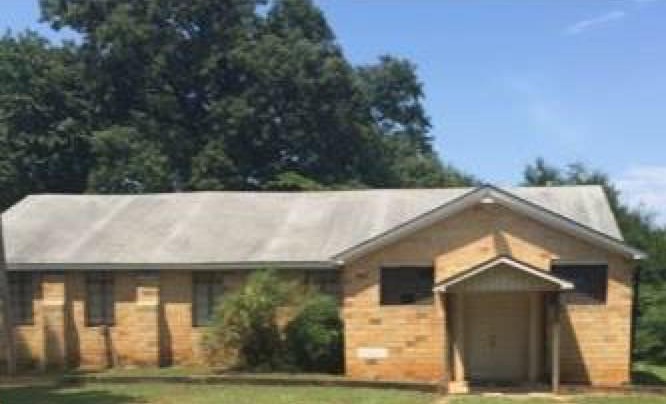
When her district superintendent asked churches to assemble flood buckets, Bingen, a small rural congregation worshiping at 9:00 a.m. in a little white church beside a cattle pasture, responded immediately. They asked if they could use cat litter containers as bucket substitutes and then simply got to work.
“They lined up the buckets on the front,” Rev. Estes recalled, “and next thing you know, they’ve done seven buckets.”
To Rev. Estes, that’s the rural church spirit: no long meetings, no complicated committees – just action.
“They don’t go through big processes,” she said. “They just … do it.”
At Nashville First, Rev. Estes has also helped lead outreach efforts that continue to grow, including participation in the Well Fed program. Each month, Nashville First distributes fresh produce and groceries to around 40 families with no restrictions. “We don’t care if you’re black, brown or white,” Rev. Estes said. “Just come get some food.”
Even when a delivery fell through unexpectedly one month, the congregation didn’t give up. They quickly sourced replacement food from Sam’s Club in Texarkana and ensured families still received what they needed the following day. Rev. Estes describes it as “connecting the dots:” the kind of ministry that happens when people are ready to respond to God’s call.
Another strength of rural ministry, Rev. Estes said, is its relational nature. In small towns, ministry is built on consistent connection, whether through food distribution, a community medical clinic or a simple blessing box stocked with groceries.
One email asking members to bring spaghetti to stock the pantry produced immediate results.
“Before the office closed that day, people had brought food,” she said.
Rev. Estes also believes rural churches are often more forgiving and less institutional. “Small is not less,” she said. “Rural churches understand they can’t do it all, and that’s why they’re glad to be United Methodist.”
Even the way leadership functions reflects that spirit. In Bingen, she says decisions happen quickly and communally, often with a conversation right after worship.
“They don’t like meetings,” she laughed. “If you can do it in the parking lot after worship, they want to go ahead and do it.”
For Rev. Estes, rural churches are not struggling remnants of a fading past. They are faithful communities who know exactly who they are, who they serve and why they exist.
As ARUMC celebrates its first Rural Church Sunday, Rev. Estes hopes the conference will remember: the church’s goal is not simply numbers. It is faithfulness.
And rural churches, she said, embody that faithfulness beautifully.